




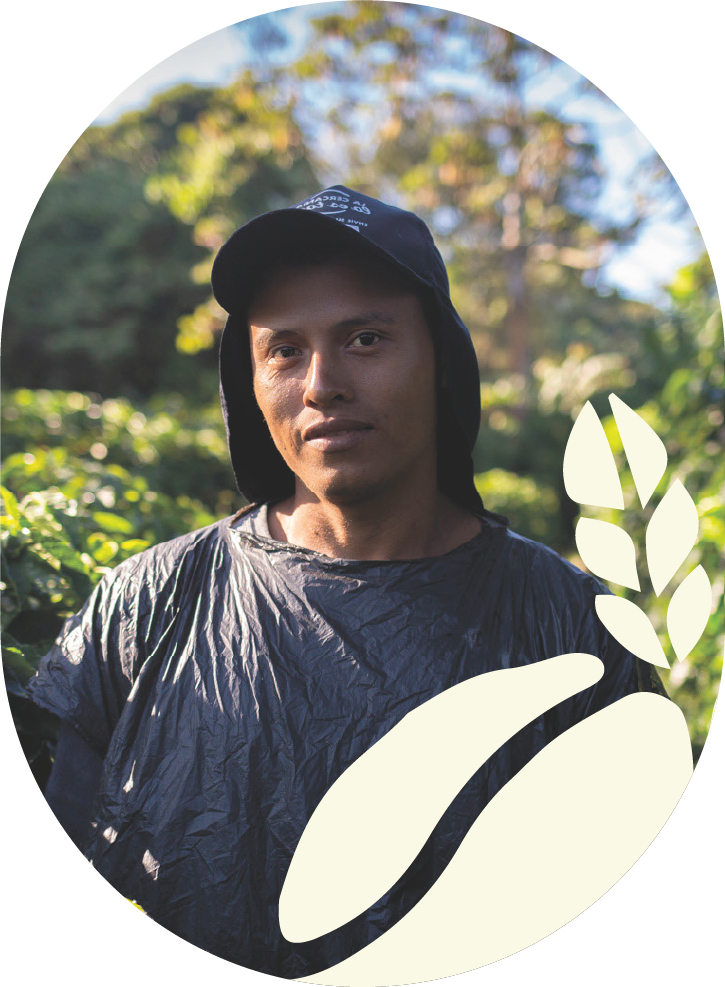
The Climate Crisis is one of the biggest challenges that the coffee industry faces.
No one understands this better than farmers who show resiliency each day as they confront these shifts.
The truth is there is a lot of the Climate Crisis that we still don’t understand, but each day the science, the data and the evidence is clearer and can be used to help us prepare to adapt.
Unfortunately climate data is rarely accessible to coffee communities, and at The Coffee Source we have a mission to change that.
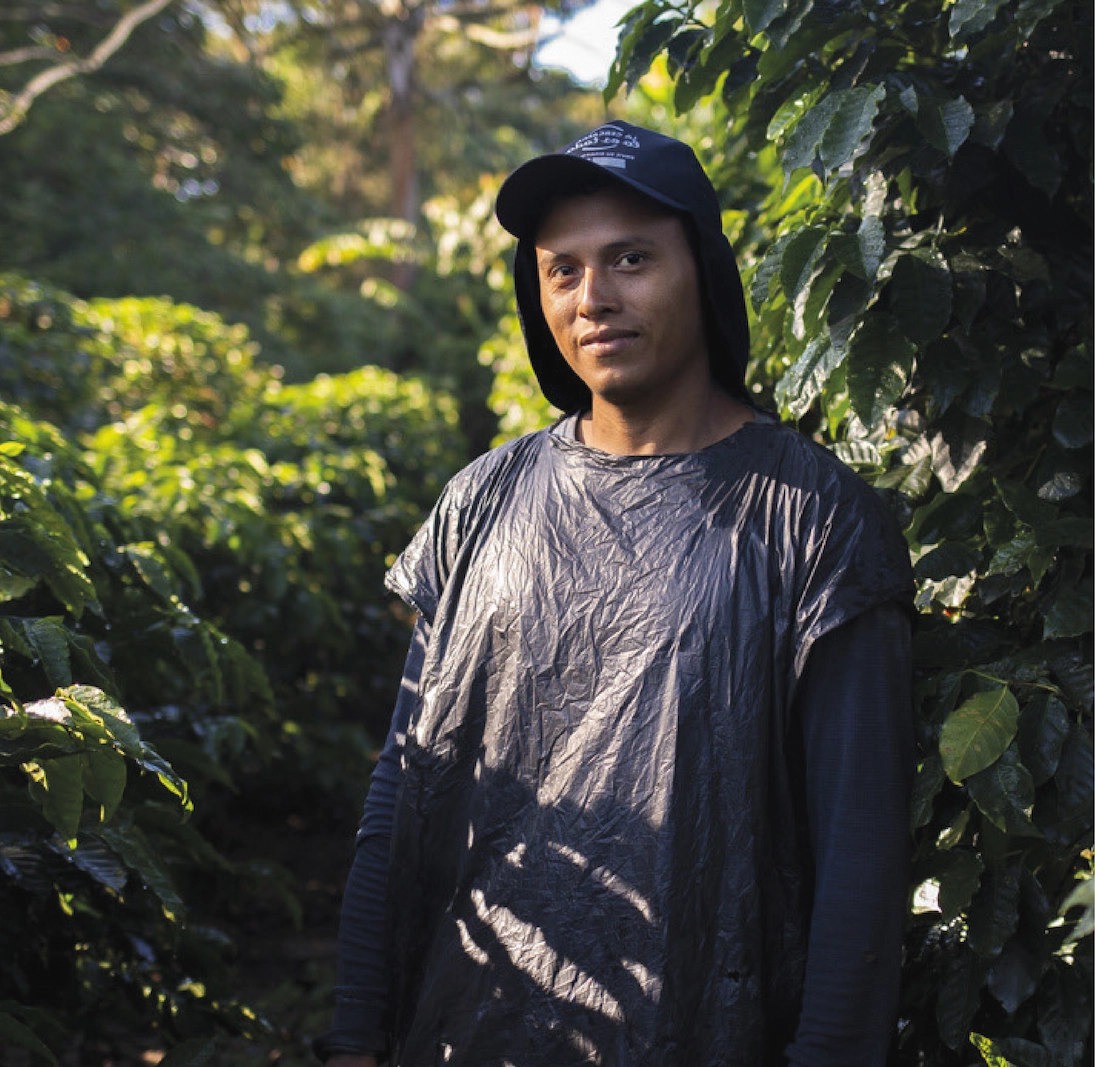
There is no doubt that climate change is one of the biggest social and ecological challenges facing humanity. Coffee, specifically, is one of the sectors feeling these impacts most intensely. Coffee is grown in some of the world’s most vulnerable landscapes and is highly sensitive to temperature shifts, changes in rainfall patterns, and land degradation.
In recent years, we’ve heard dozens of testimonies from farmers in Latin America experiencing challenges such as disrupted flowering cycles, frequent droughts, heavy rains causing cherry losses, the spread of diseases, and an overall reduction in areas suitable for coffee production. For these farmers, climate change is a daily reality that compounds the already significant risks of coffee farming.
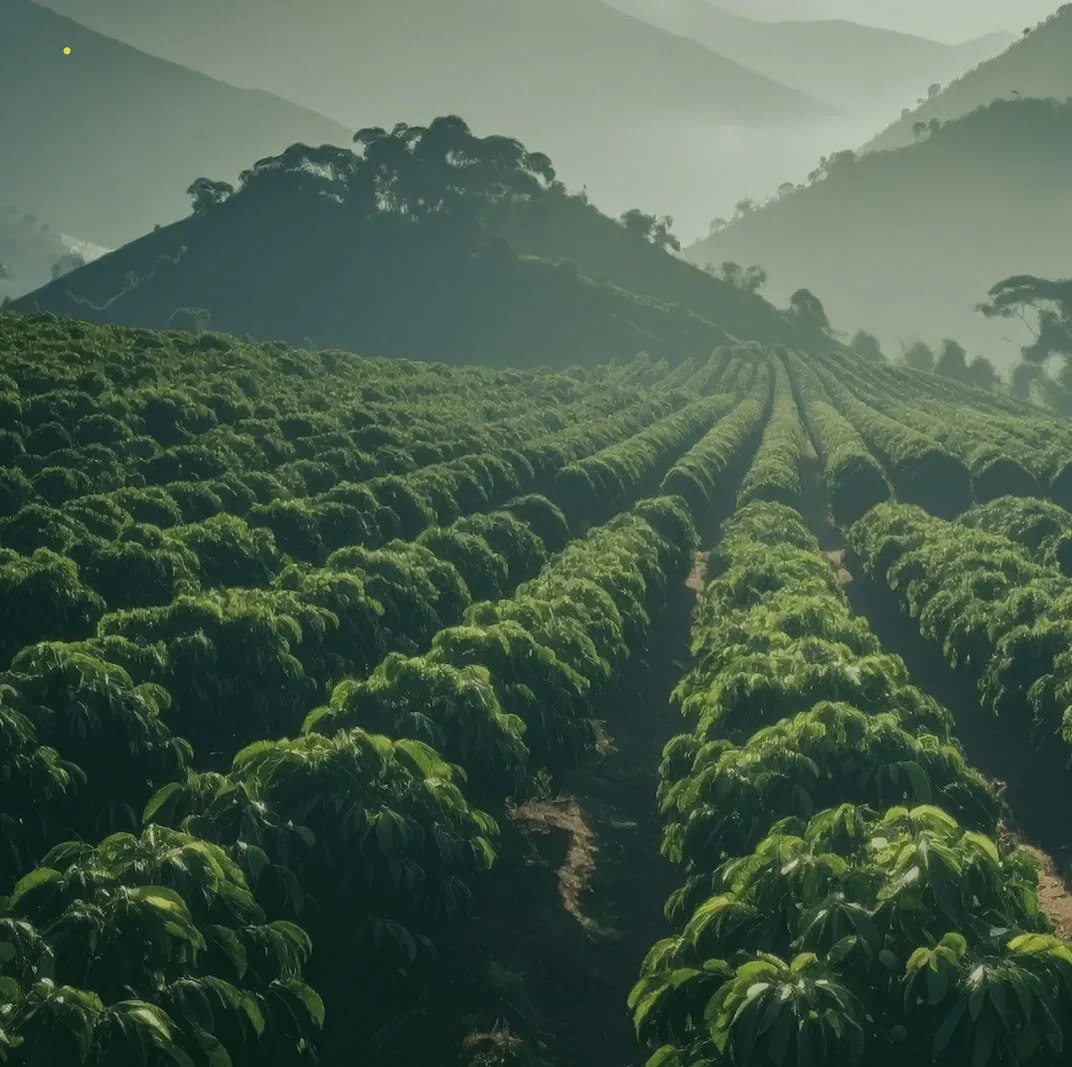
While data shows that food systems, including coffee production, are responsible for a significant share of global greenhouse gas emissions, climate solutions cannot come at the cost of farmer livelihoods. Furthermore, while mitigation efforts are essential to prevent worsening climate impacts, adaptation investments must take priority in the context of smallholder coffee farmers.
As of 2017, over 80% of the world’s extreme poor lived in rural areas, many depending on agriculture and agroforestry systems like coffee. Coffee farming supports more than 12 million smallholder families globally, many earning less than $2 a day and relying on increasingly fragile ecosystems for their livelihoods.
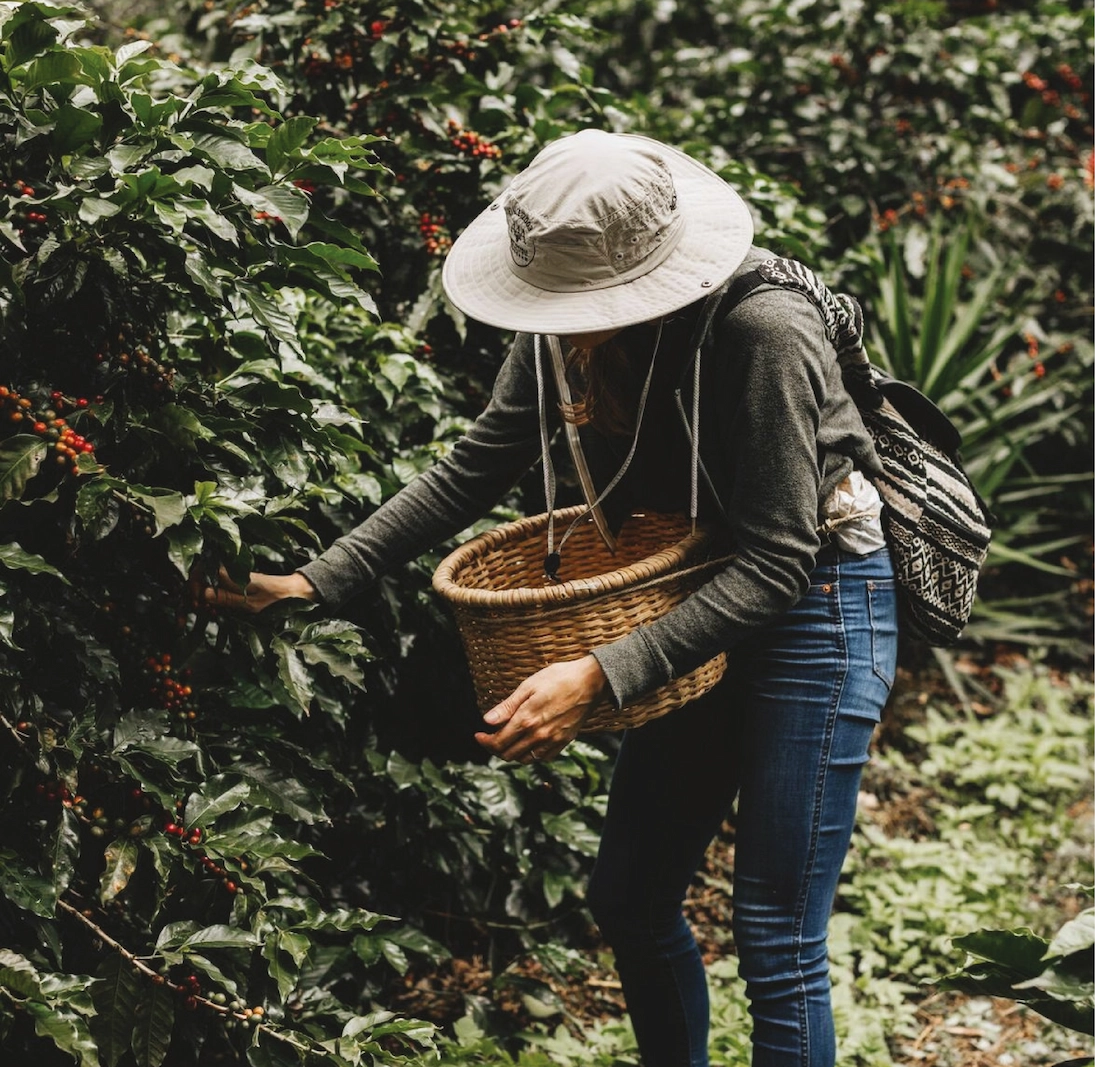
Traditional efforts to improve livelihoods in coffee often focus on general practices and broad goals such as increasing productivity. However, climate resilience requires regionally tailored approaches, recognizing that farmer systems, organizations, and supply chain actors are deeply embedded in local environments.
Too often, climate resilience projects treat smallholder farmers as end users of research rather than as co-creators and decision-makers. This limits both effectiveness and long-term impact.
Ground Up Resilience
Ground Up Resilience is designed to challenge these traditional models by prioritizing participatory processes, citizen science, and farmer-led action.Using a discovery-based approach, the initiative is tailored to the realities of smallholder coffee growers across Latin America, recognizing their expertise and lived experience as essential to building resilience.
We believe it is time to rewrite the narrative.
Coffee farmers are not merely victims of climate change or passive recipients of global initiatives. With the right tools, support, and recognition, they can lead the transformation of their communities in ways that reflect their unique realities.
Ground Up Resilience is our commitment to walk alongside them—from the roots of the coffee tree to the global systems that depend on its survival.
Components
Our approach combines climate science, participatory methodologies, and local knowledge to co-create practical, community-led climate adaptation strategies. It draws on established frameworks such as Participatory Integrated Climate Services for Agriculture (PICSA) and research from CGIAR’s Transformation from the Ground, adapted to each local context.
We begin by identifying and analyzing available climate data, including historical records and future projections, with a strong preference for local datasets. These are complemented by global sources such as the World Bank, KNMI Climate Explorer, and NASA where necessary.
This phase ensures that all subsequent activities are rooted in a shared, evidence-based understanding of temperature and rainfall patterns.
In parallel, we identify “positive deviance” farmers, those who are already implementing successful climate adaptation practices despite facing similar constraints. Their experiences, decision-making processes, and results are documented to inform later stages of the program.
This step establishes both the scientific foundation and the locally validated practices that guide the process.
We facilitate a series of participatory group sessions (typically 2–3 sessions with 8–15 farmers) adapted from the PICSA Field Guide and enriched with insights from CGIAR’s Transformation from the Ground.
Through these sessions, farmers:
- Map seasonal patterns and agricultural activities
- Compare climate records with lived experience
- Analyze livelihood options under changing climate conditions
- Interpret long-term climate forecasts and explore future scenarios
These exercises are designed to bridge scientific information with local knowledge, enabling farmers to make informed decisions based on both data and experience.
The process also emphasizes inclusion, ensuring that women and youth perspectives are actively represented.
Building on insights from earlier phases, we organize Farmer-to-Farmer (F2F) learning exchanges, including field visits to farms managed by identified positive deviance leaders.
These interactions allow farmers to:
- Observe successful practices in real conditions
- Ask questions and understand implementation details
- Build trust in locally proven adaptation strategies
This phase reinforces learning through direct experience and strengthens community knowledge networks.
Farmers collectively identify priority areas for adaptation and select one or more initiatives to develop further.
This phase includes:
- Community-led project selection
- Establishment of a Farmer Committee
- Development of a project proposal, including budget, timeline, and expected impact
An initial seed fund supports early implementation, with opportunities to leverage additional funding through partnerships.
The outcome is a community-owned adaptation pathway, grounded in both data and collective decision-making.
All findings from the process including climate data, farmer insights, selected practices, and priorities are synthesized into a Climate Adaptation Plan.
This document serves as:
- A practical guide for implementation
- A communication tool for stakeholders and partners
- A foundation for future scaling and investment
It is designed to be accessible while maintaining alignment with more comprehensive planning frameworks.
Where conditions allow, the process can evolve into a Living Lab for People (LL4P)—a participatory space where farmers, organizations, and other stakeholders collaborate to test and refine climate solutions in real-world settings.
Unlike traditional research environments, LL4Ps operate directly within communities, enabling:
- Iterative experimentation and learning
- Continuous knowledge sharing
- Strong local ownership of solutions
This cyclical process supports long-term adaptation and the development of scalable, context-driven innovations.





Our Team
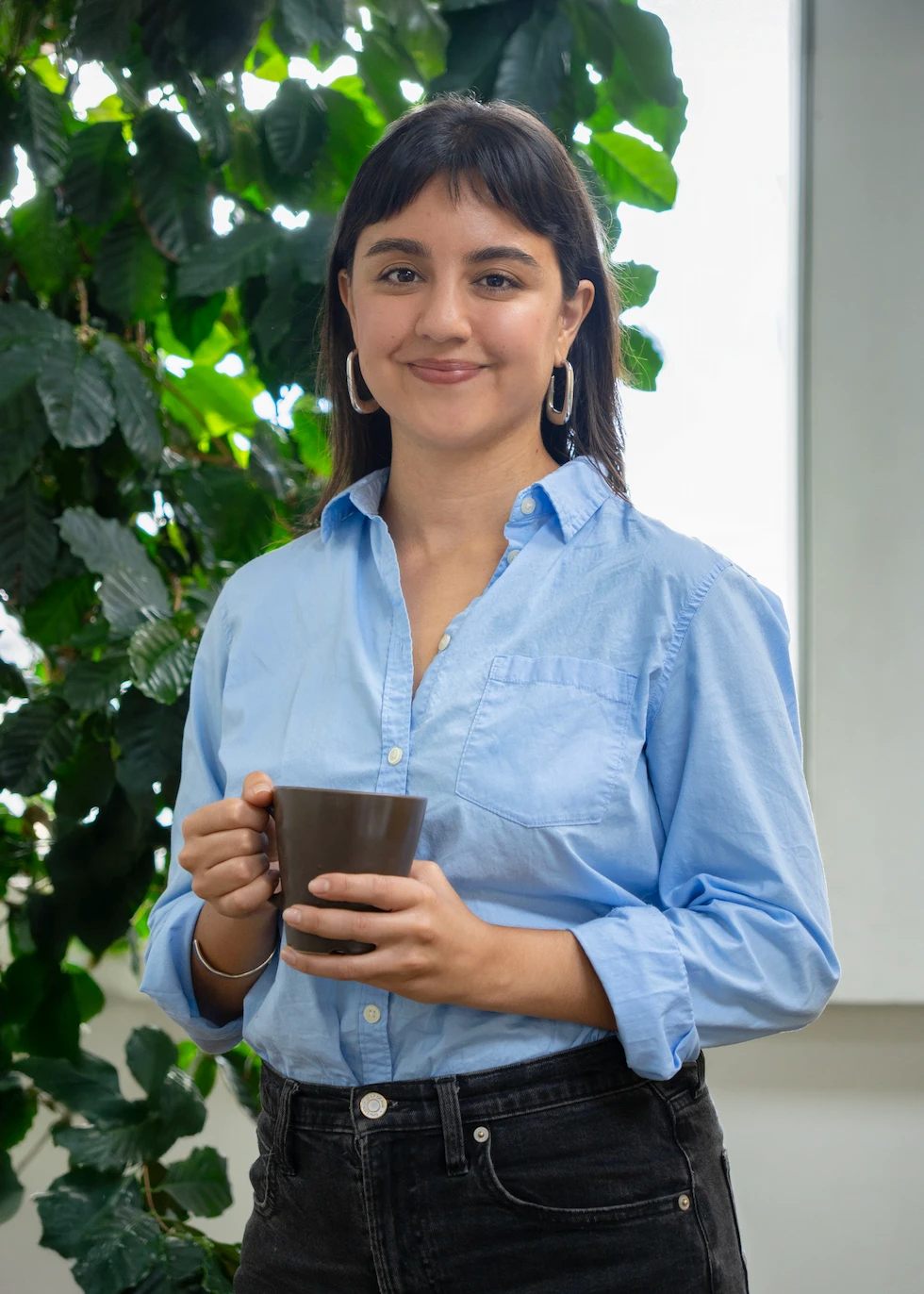
Paz (also known as Pipa) is an environmental engineer with an MSc in Environment, Climate Change and Development from the University of Reading. She began working with coffee communities as a student in 2017 and has continued this work across both the public and private sectors. The creation of this initiative was particularly inspired by her thesis work in Peru, where she visited farmers in Amazonas, as well as by a course on Design for Climate Change Adaptation at CIID, which introduced methodologies such as science fiction prototyping.
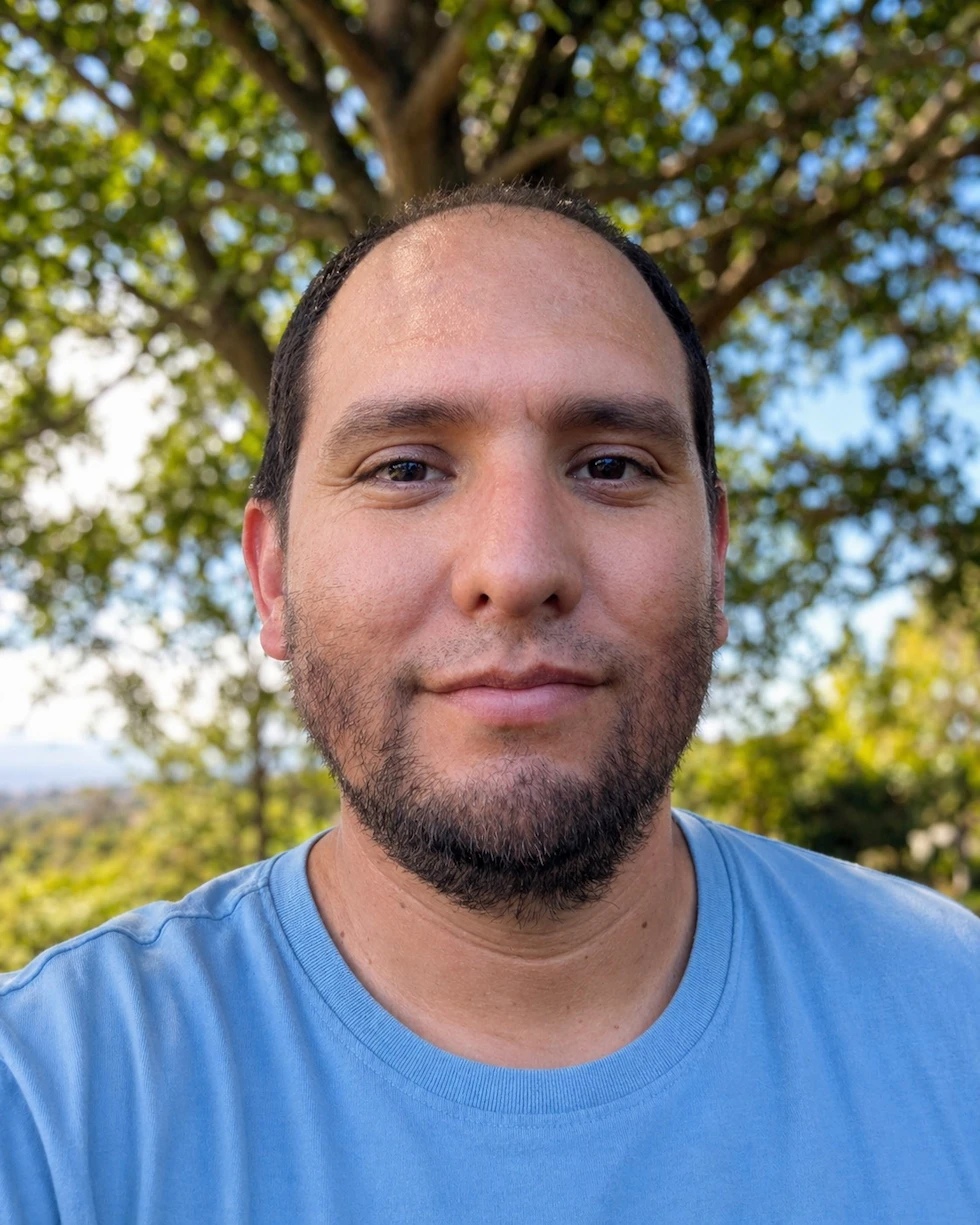
Daniel is an agronomist graduated from the University of Costa Rica, with experience in coffee production, management, and applied research. He currently serves as Agricultural Manager at Beneficiadora Santa Eduviges, where he leads agronomic strategies focused on sustainability, innovation, and climate resilience.